

I was vibe-coding a CI/CD implementation and ran into an issue. My GitHub Runner had run out of memory while installing some packages. So naturally, I copied the logs into the chat window and immediately the build file has some new lines written that look suspiciously like malware. “free-disk-space” is the name of the action. Its like something out of the early 2010s. But it isn’t malware. In fact, its used in by over 16 thousand people in their repositories to solve the same issue I had with wanting to customize a GitHub Runner.
The typical Ubuntu GitHub Actions runner has up to 31 GB of disk space that is used by unnecessary packages that are not needed for many builds. This action clears up that space within 3 minutes and allows you to install the more storage intensive packages that are needed for your custom builds. Again. 16 thousand developers.
GitHub Actions is has a fairly terrible reputation. It has actually served as the reason for some notable projects, like Zig, to migrate to alternative platforms. The system has an unreasonable number of bugs for a product that is used by millions of developers.
As Zig mentions, the GitHub CEO said “Either you have to embrace the AI, or you get out of your career.” Not exactly kind or supportive words for the developers that are using your platform and are asking for quality of life improvements. It’s reasonable to assume that GitHub just doesn’t care about solving pain points of users.
That lack of care is what brings me to Super Smash Bros. Melee.
Here Comes a New Challenger
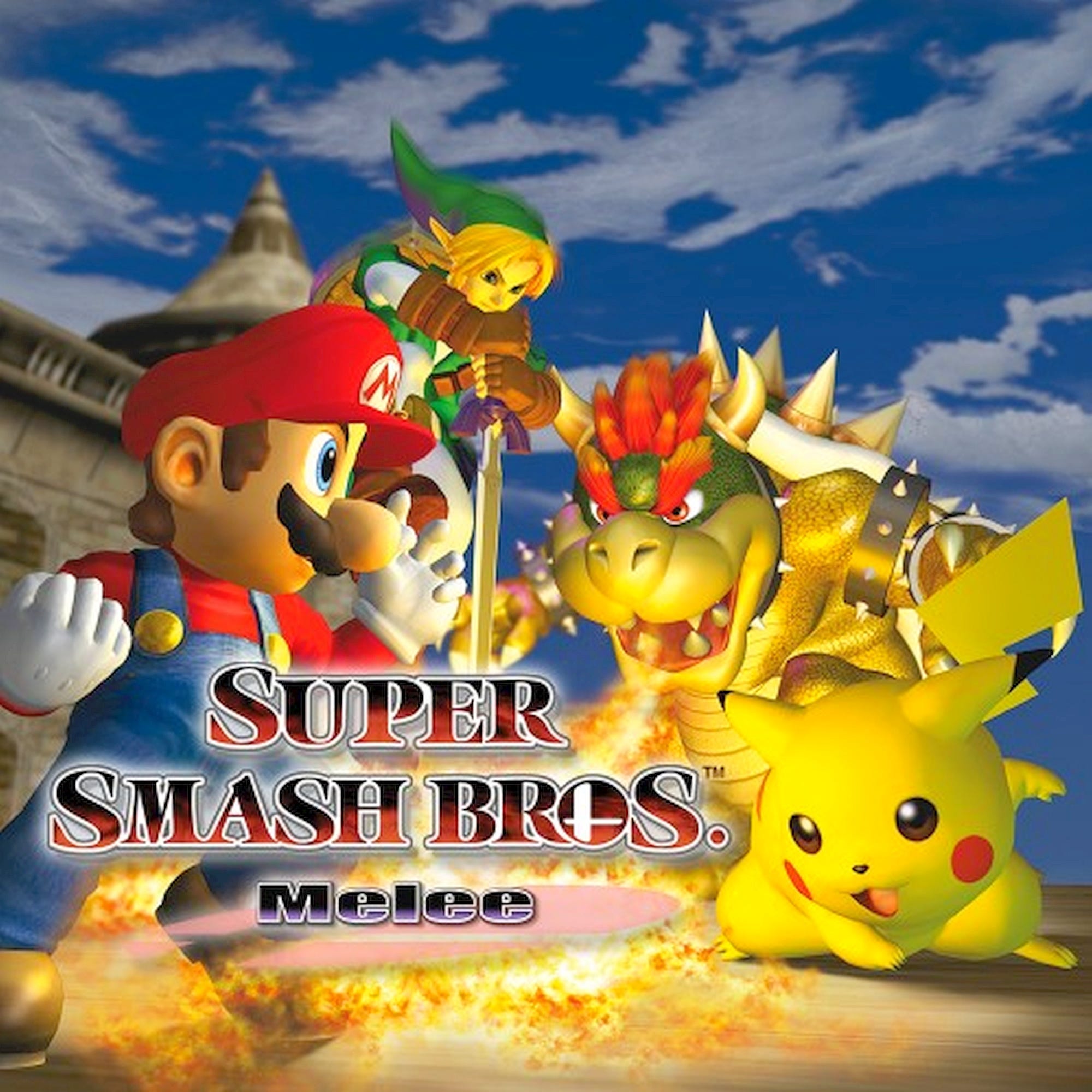
Super Smash Bros. Melee was released in 2001. When it came out, it was a popular party game, targeted towards families and children in particular. However, over time, it became a binding force for competition, driven by a grass-roots community of players.
It drew a large and growing viewer-base throughout the 2010s, peaking sometime in the 2010s with over 190 thousand viewers on Twitch. Players were sponsored and their livelihoods were supported in part by the community because of how good they were at the game.
But, just like GitHub Actions, Super Smash Bros Melee was unsupported by the developers. In fact, Nintendo actively tried to shut down tournaments and competitions, attempting to kill the large events that served as the pinnacle of competition. This didn’t happen just once, but multiple times.
Despite this, the community persisted. In fact, they modding the game heavily, adding features like in depth training modes and netcode (yes, I do see the irony in linking to a GitHub repo). These mods became staples of the community.
Incentive Alignment
There is a consistent theme across both of these communities. There’s the obvious: successful developers create things that are valuable to others. There’s even a lesson: even the champions of a product have thresholds for pain tolerance.
But there’s something particular about both of these stories that are notable today. It is common in startup culture to state that if you are solving a real problem, your chances of success drastically improve. The issue is that the converse does not hold true after a certain size. Dedicated communities can form around things, developing their own solutions as they’ve been left by the wayside.
On the surface, that seems like a good thing. But, when a hacked up solution becomes well known and commonly used, the moral of the story seems to become murky. These communities have entrenched these products deeper into their lives and signaled to the companies that they are not going to leave. In turn, the incentive for these companies to improve their products vanishes.
In some ways, it becomes an indicator that the story of “AI is going to replace software engineers” is a farce. GitHub has fully embraced the AI hype machine and somehow they are unable to solve pain points for their users. In a more cynical lens, it indicates that even with tool-assisted, supercharged engineers, GitHub doesn’t plan on improving parts of their product that are deeply meaningful to their users; they may be focused on margins and new flashy developments. The brand and positioning of GitHub feels questionable with that in mind. It doesn’t feel like the bastion for developers and budding engineers to show off their stuff and seek community that it once was.
In the case of Nintendo, the charitable interpretation almost leads to admiration. They are a company focused on providing children with formative life experiences in settings where they will always have fun. They refuse to support a competitive community that seeks glory and victory through hardship and anguish; because when winning matters, losing isn’t fun. Does that excuse them shutting down the joys of a community that aren’t harming people? Probably not, but at the end of the day it is a single game of the plethora of games in Nintendo’s catalog.
Now, what I can say also isn’t fun is thinking that my vibe-coded CI/CD has installed malware because a tool has a suspicious name, or relying on GitHub repos to be able to play a 25 year old game online.